Why Japanese Has Three Writing Systems
Understanding hiragana, katakana, and kanji makes way more sense when you know the history and why each one exists. They’re not redundant — they serve completely different purposes.
Read ArticleJapanese language changes depending on who you’re talking to. Learn how cultural values shape the grammar itself — something no other language does quite like this.
Here’s the thing — when you’re learning Japanese, it’s not just about memorizing vocabulary and grammar rules. You’re actually learning a different way of thinking about relationships and respect. Every verb, every particle, every ending changes based on who’s listening. That’s not common in English or most European languages. In Japanese, you’re constantly making choices that reflect how you see your relationship with the person you’re talking to.
It sounds complicated at first. But once you understand the system, it actually makes Japanese clearer, not harder. You’re not just speaking — you’re expressing social awareness through grammar itself. That’s pretty powerful.
Most learners focus on two forms, but there’s actually a third level that changes how you sound completely.
Friends, close family, yourself
This is how you talk with friends your own age or younger people you’re comfortable with. No fancy endings. You drop particles. “I’m going” becomes just “iku” instead of “ikimasu.” It’s direct, relaxed, natural. You’re probably already learning this because it’s easier to remember.
明日、映画見に行こうよ(Ashita, eiga mi ni ikou yo) — “Let’s go see a movie tomorrow”
Strangers, workplaces, formal situations
This is what most textbooks teach you first because it’s the “safe” form. You add -masu endings to verbs, use です for “is,” and generally sound respectful without being overly formal. You’ll use this in shops, at restaurants, in professional settings, with people you just met. It’s polite but not stiff.
明日、映画を見に行きます(Ashita, eiga wo mi ni ikimasu) — “Tomorrow, I will go to see a movie”
Bosses, customers, formal speeches
This is where it gets real. You’re showing serious respect — not just politeness, but actual deference. You use completely different words for common actions. “To go” isn’t just いく with a fancy ending — you might use いらっしゃる (irassharu) when talking about what someone else does. The whole sentence structure changes.
明日、映画をご覧になられます(Ashita, eiga wo goran ni narareamasu) — “Tomorrow, you will view the movie” (extremely formal)
It’s not just about adding -masu or -desu. The entire verb system shifts. Take the verb “to eat” — it’s 食べる (taberu) in casual form. In polite form, it’s 食べます (tabemasu). But in honorific form when talking about what someone respects does, you might say 召し上がります (meshiagarimasu). That’s not just a different ending — it’s a completely different word.
The same applies to “to go,” “to do,” “to be.” Even particles change. The object particle を (wo) in casual speech becomes を (wo) in polite, but in honorific speech you might see different structures altogether. You’re not just adjusting politeness — you’re changing the fundamental way you describe the action.
Here’s what makes this genuinely interesting: Japanese culture has built social hierarchy directly into the language structure. You can’t avoid it. Every sentence you say reflects your understanding of where you stand relative to the person you’re talking to. There’s no neutral way to speak — you’re always making a choice about the relationship.


Casual form? You’re with friends at a café, texting buddies, talking to people younger than you or peers. It’s relaxed. Polite form is your workhorse — shops, restaurants, first meetings, professional emails, class presentations. You’ll spend most of your time here because it’s appropriate in almost every situation except the closest relationships or the most formal ones.
Honorific form is rarer unless you’re working in customer service, media, or dealing with executives. But here’s what matters: even a little honorific awareness changes everything. When a store clerk says いらっしゃいませ(irasshaimase) instead of just welcoming you casually, you feel the respect. When you’re watching a Japanese drama and suddenly someone switches to honorific speech with their boss, you understand the power dynamic immediately.
The mistake most learners make is staying in polite form forever. You sound stiff. Real Japanese people code-switch constantly — casual with friends, polite with strangers, shifting based on context. Learning when to shift is as important as learning the forms themselves.
It’s not about memorizing rules. It’s about exposure and practice with real context.
Don’t try to learn all three levels at once. Master polite form first — the -masu/-desu system. That’s your foundation. Spend 2-3 months here. You want this to feel automatic.
Once polite feels solid, start learning the casual base forms. Watch anime, listen to podcasts, follow Japanese social media accounts. You’ll hear casual speech constantly. Start recognizing patterns — notice how particles drop, how verb endings change.
Don’t just memorize verb conjugations. Watch how native speakers code-switch. Notice how a young person talks to their parent versus their friend. Listen to customer service interactions. Read business emails. Your brain will start recognizing patterns without conscious effort.
This is where it clicks. Have conversations with language exchange partners or tutors. They’ll correct you naturally. You’ll feel which forms sound right in real situations. That intuition is worth more than any textbook explanation.
Here’s what’s fascinating — the politeness levels aren’t random. They reflect something core about Japanese society: relationships matter more than abstract rules. You’re not speaking “correctly” in an absolute sense. You’re speaking appropriately for the specific relationship you’re in. That distinction changes everything.
In English, we might say the same thing to our boss and our friend, just with different tone of voice or word choice. In Japanese, the grammar itself acknowledges the relationship. You can’t accidentally sound disrespectful if you use the right form. The language enforces social awareness.
“Learning Japanese politeness isn’t about following rules. It’s about understanding that every interaction has a context, and the language helps you honor that context.”
This also explains why Japanese learners struggle more than speakers of languages without politeness levels. You’re not just learning grammar — you’re learning a different way of thinking about relationships. But that’s also why mastering this system makes you genuinely fluent in a way that just knowing vocabulary doesn’t.
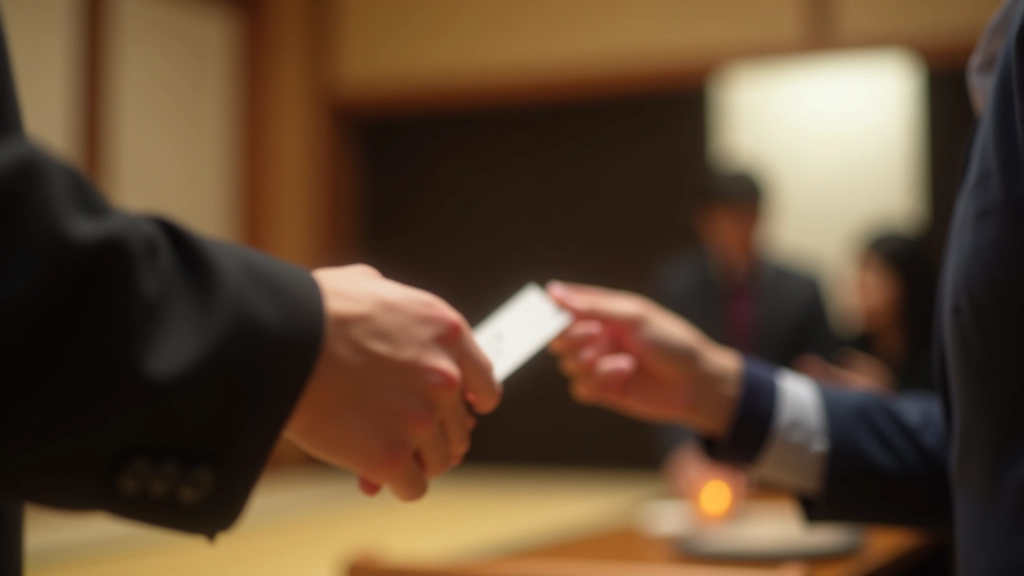
Japanese politeness levels aren’t a frustrating complication — they’re a window into how the language and culture work together. Every verb form you choose communicates something about how you see the relationship. That’s not a bug in the system. That’s the whole point.
Start with polite form, learn casual through exposure, and pay attention to context. You don’t need to master honorific Japanese right away. But understanding that it exists, and why, changes how you listen to the language. You’ll start hearing the social dynamics in every conversation. You’re not just learning grammar — you’re developing cultural intuition. That’s what makes you actually fluent.
Japanese language immersion programs in Canada focus on exactly this kind of cultural grammar integration. Real conversation practice with context makes politeness levels intuitive, not academic.
Learn More About ProgramsThis article provides educational information about Japanese language politeness levels and cultural context. While the examples and explanations are accurate, actual language use varies based on regional differences, individual speakers, and specific contexts. Japanese is a living language with natural variation. For comprehensive language instruction, consider working with qualified instructors or enrolled in structured language programs. This content is informational — not a substitute for formal language education or interaction with native speakers.