

Why Japanese Has Three Writing Systems
Understanding hiragana, katakana, and kanji makes way more sense when you know the history and purpose behind each system.
Read MoreWhy does Japanese have so many different words for eating and drinking? Discover how the language reflects deep cultural attitudes toward food, seasons, and gratitude.
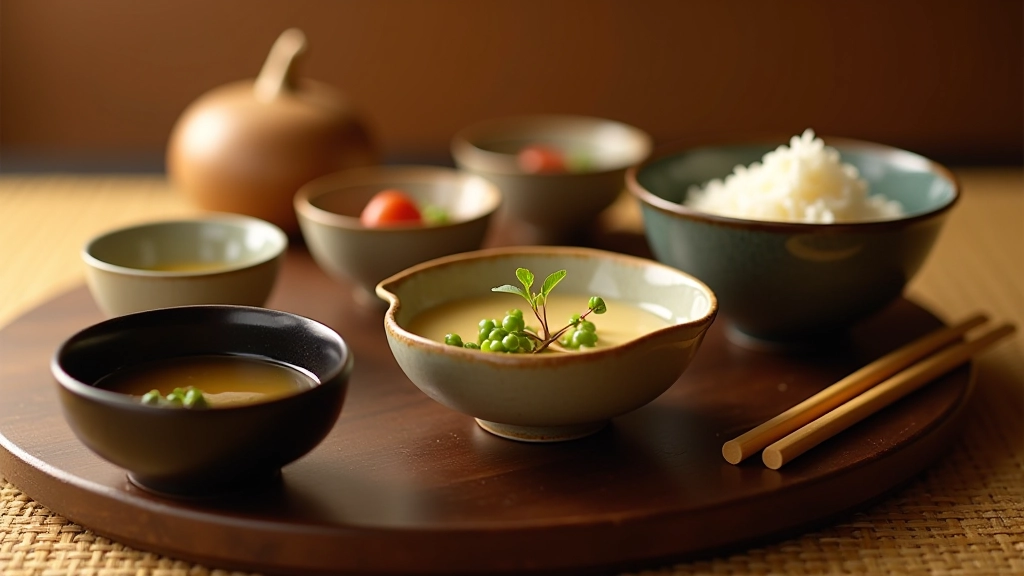
Japanese isn’t just a language — it’s a mirror of culture. When you look at how Japanese speakers talk about food, you’re looking at centuries of tradition, seasonal awareness, and respect all wrapped into vocabulary.
The word “eating” alone has multiple meanings depending on context. There’s taberu (食べる) for everyday eating, itadaku (いただく) for respectful eating that acknowledges gratitude, and meshiagaru (召し上がる) for when someone of higher status eats. That’s not just grammar — that’s culture embedded in language.
Before eating, Japanese people say itadakimasu (いただきます). This phrase literally means “I humbly receive,” and it’s not casual politeness — it’s acknowledgment of the effort, ingredients, and sacrifice that made the meal possible.
The word itadaku originally meant to receive something from someone of higher rank. Over centuries, it transformed into an expression of gratitude for food itself. When you understand this history, you’re not just learning a word. You’re learning why Japanese culture treats meals with such reverence.
Key difference: Taberu (食べる) = just the physical act of eating. Itadaku (いただく) = eating with respect and gratitude for what’s been provided.
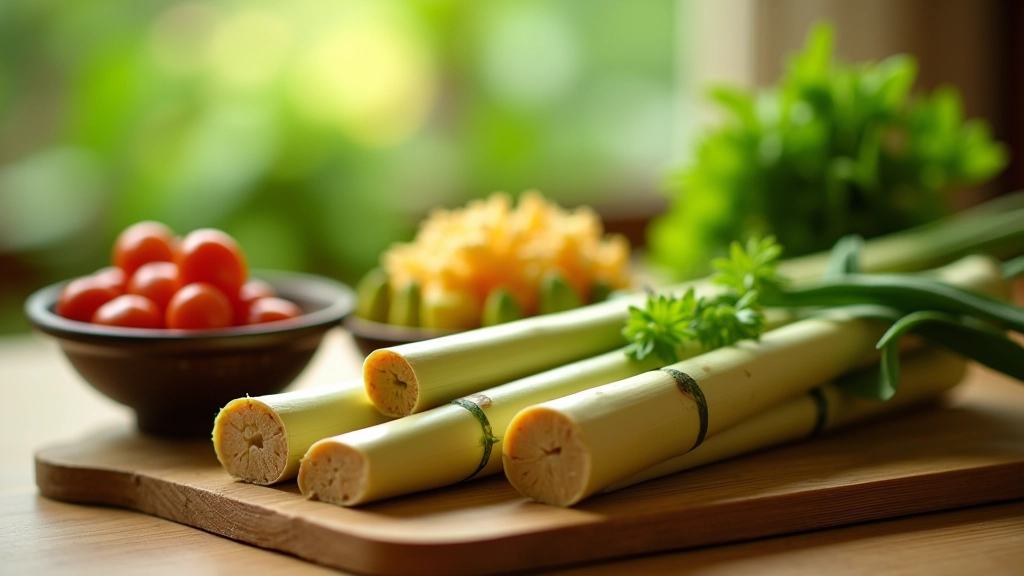
Japanese food vocabulary is inseparable from the seasons. Shun (旬) means “the right season” — but specifically for when something tastes best. Spring bamboo shoots, summer eggplant, autumn chestnuts, winter radish — each has its moment, and that moment matters in the language.
You won’t hear Japanese speakers talk about “eating strawberries year-round” the way English speakers might. Instead, they acknowledge the season: ichigo no shun (苺の旬) — “the strawberry season.” This linguistic habit shapes how people think about food, waste, and the natural cycle.
Even menu descriptions change seasonally in Japanese restaurants. A dish isn’t just described by ingredients — it’s contextualized by season, weather, and what’s in its prime right now.
Japanese distinguishes between different types of drinking in ways English doesn’t. Nomu (飲む) is the basic verb for drinking liquids. But shiboru (絞る) means to squeeze juice from fruit. Susuru (すする) is the sound and action of slurping — and yes, it’s a respected technique for hot noodle soup.
There’s also chūmu (チューム) for sipping through a straw, and kumu (汲む) for scooping water with your hands or a ladle. These aren’t synonyms. Each verb carries specific context about how the drinking happens and what’s being consumed.
“The way Japanese speakers talk about food and drink reveals what they value: respect for the ingredient, awareness of season, gratitude for effort, and attention to the precise action happening.”
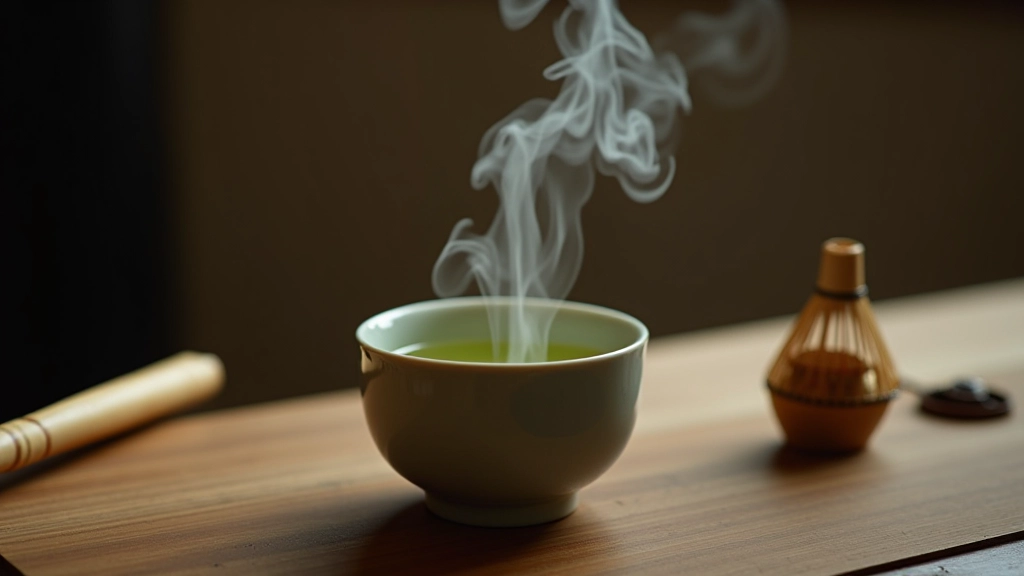
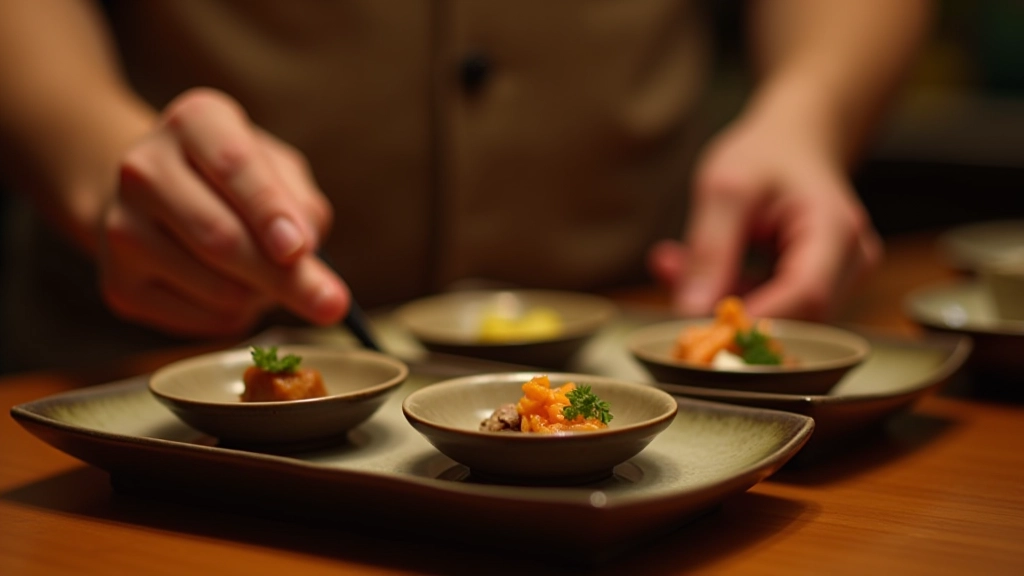
Japanese food vocabulary shifts depending on who’s eating. When someone of higher status eats, you don’t use taberu — you use meshiagaru (召し上がる), an honorific form that shows respect. When talking about your own eating to someone of higher status, you use itadaku (いただく) to show humility.
This isn’t being overly formal. It’s recognition that eating together involves social relationships. A business lunch isn’t just lunch — it’s a negotiation where language choices matter. A family meal involves hierarchy: how you speak about what grandparents eat differs from how you speak about what children eat.
These distinctions don’t exist in English, so English speakers often find them unnecessary. But in Japanese culture, they’re essential information embedded right into the vocabulary.
Learning Japanese food words isn’t about memorizing vocabulary. It’s about understanding that language carries culture. Every word choice — whether you use taberu or itadaku , whether you acknowledge the season, whether you slurp respectfully — communicates values.
When you study how Japanese people talk about food, you’re learning what they value: gratitude, seasonality, respect for effort and hierarchy, and precision in action. That’s the real power of learning a language through cultural context. The words stick because they mean something deeper than their English translations.
Start noticing these distinctions. When you watch Japanese cooking shows or read about food culture, pay attention to which verb gets used and why. That’s when the language becomes less about rules and more about understanding how a whole culture thinks.
Understanding food words opens doors to understanding Japanese culture itself. Dive deeper into how language and tradition connect.
Explore More ArticlesThis article provides educational information about Japanese language and culture. While the examples and explanations are accurate, language use varies by region, context, and individual preference. For formal language instruction or specialized translation needs, consulting with a qualified Japanese language instructor or professional translator is recommended. Cultural practices and language conventions continue to evolve, and this content reflects current understanding as of February 2026.