
Learning Japanese Through Festival Seasons
Each season in Japan brings festivals with their own vocabulary and customs. Immersing yourself in seasonal language helps you understand how deeply culture shapes daily expression.
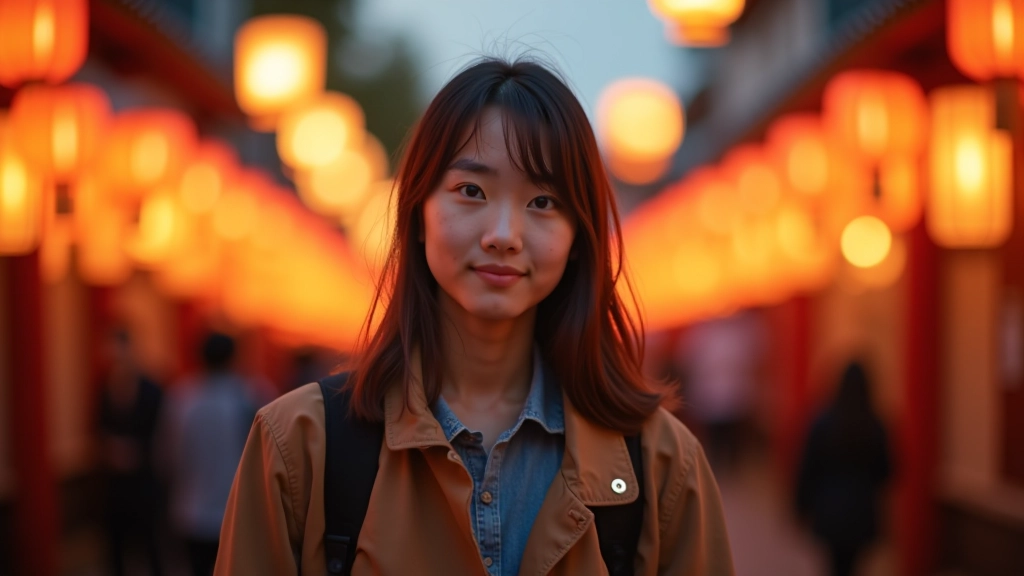
Why Festival Language Matters
When you’re learning Japanese, textbooks teach you grammar and basic vocabulary. But they don’t really capture the texture of how language lives in culture. That’s where festivals come in.
Japan’s festivals—called matsuri—aren’t just celebrations. They’re windows into how Japanese people think, speak, and connect with the seasons. Each season has its own festival calendar, its own special words, and its own way of bringing communities together. Learning the language of these festivals gives you something textbooks can’t: authentic cultural context that makes words stick.
You’ll discover that spring festivals use completely different vocabulary than autumn ones. Summer’s energy shows up in the language itself. And winter celebrations bring expressions you won’t find anywhere else. This seasonal immersion approach isn’t just effective—it’s genuinely enjoyable because you’re learning through real, living cultural moments.
Spring: Cherry Blossom Language and Renewal
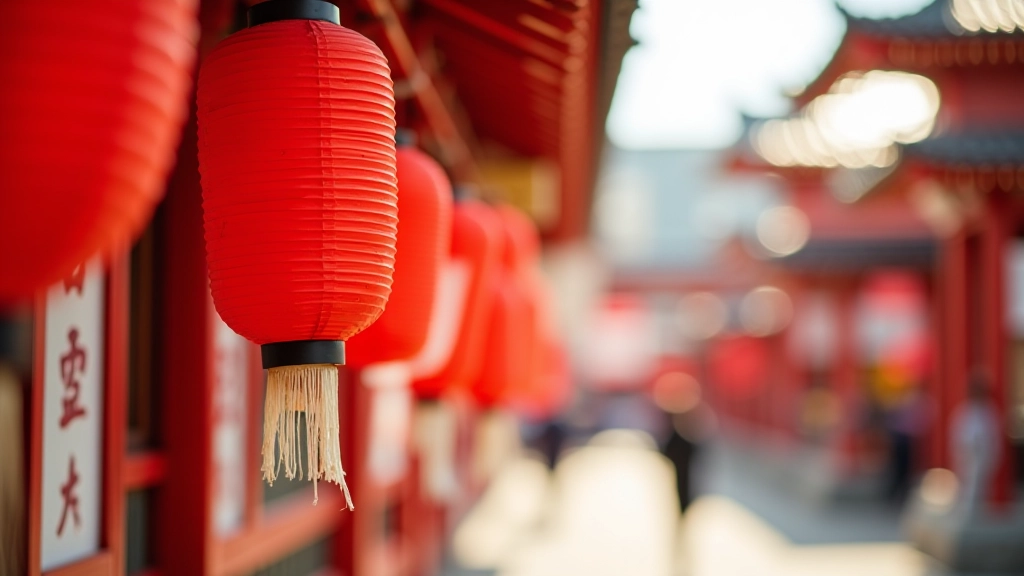
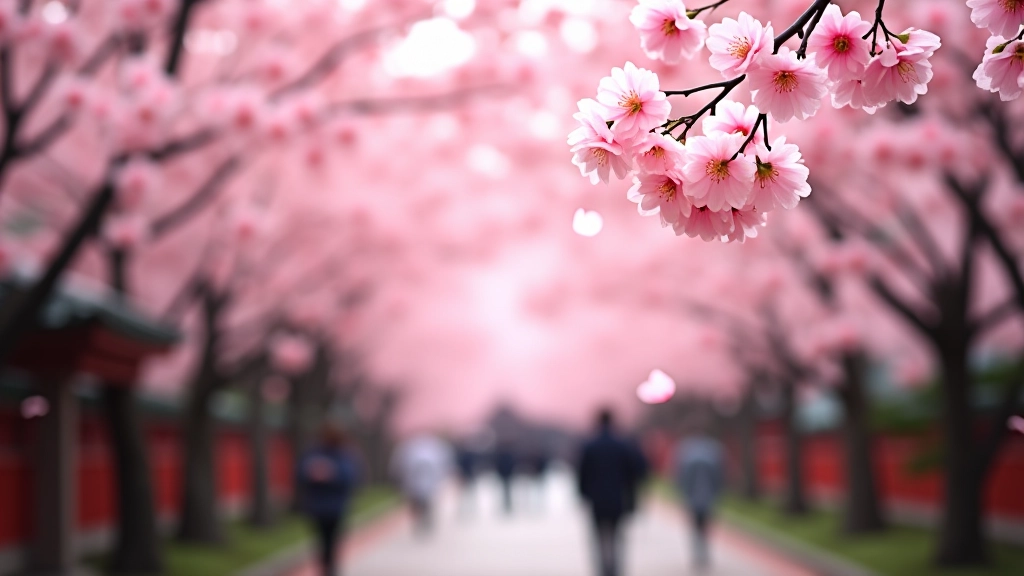
Spring festivals in Japan revolve around cherry blossoms—sakura. The entire season transforms around this one natural event, and the language reflects this obsession. You’ll learn words like sakura matsuri (cherry blossom festival), hanami (flower viewing), and sakura no kaika (cherry blossom bloom). But there’s deeper vocabulary too.
The concept of mono no aware—the pathos of things—shows up constantly in spring festival discussions. It’s this beautiful sadness about impermanence, knowing the blossoms will fall. You’ll hear people say “ah, sakura wa furui” (ah, the blossoms are falling) with this wistful tone. Learning to use mono no aware correctly means you’re not just speaking Japanese—you’re thinking like a Japanese person thinks about change and loss.
Spring festivals also introduce seasonal food vocabulary. Dango (sweet rice balls), sakura mochi (wrapped rice cakes), and yomogi (mugwort) treats become festival staples. Learning these words in context—actually eating them at a festival—makes them unforgettable. You’re not memorizing; you’re experiencing.
Summer: Energy, Movement, and Festival Verbs
Summer festivals—natsu matsuri—are completely different beasts. Where spring is quiet and contemplative, summer explodes with energy. The vocabulary shifts too. You’ll use different verbs, different adjectives, different emotional registers.
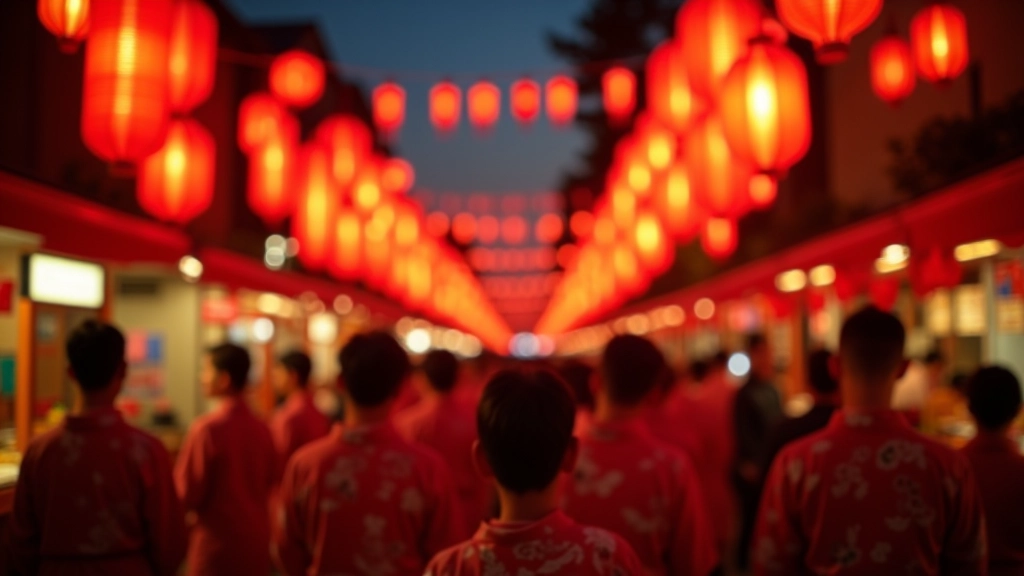
Summer festivals introduce you to taiko (drums), yukata (casual summer kimono), and bon odori (traditional group dancing). But more importantly, they’re where you learn action verbs in real contexts. Tataku (to strike/beat), odoru (to dance), aruku (to walk), hashiru (to run). People aren’t just moving; they’re moving with purpose and joy. The language captures that energy. You’ll hear “matsuri wa tanoshi!” (the festival is fun!) with genuine excitement that textbook dialogues never quite capture.
The sensory vocabulary is rich too. Atsui (hot), mushiatsui (humid and hot), akarui (bright), urusai (loud). These aren’t just adjectives—they’re describing the actual experience of being at a summer festival. Learning language this way, tied to real sensory experience, makes it permanent. You won’t forget atsui because you’ll remember the sweat and the lantern light.
Autumn: Harvest Gratitude and Seasonal Shifts
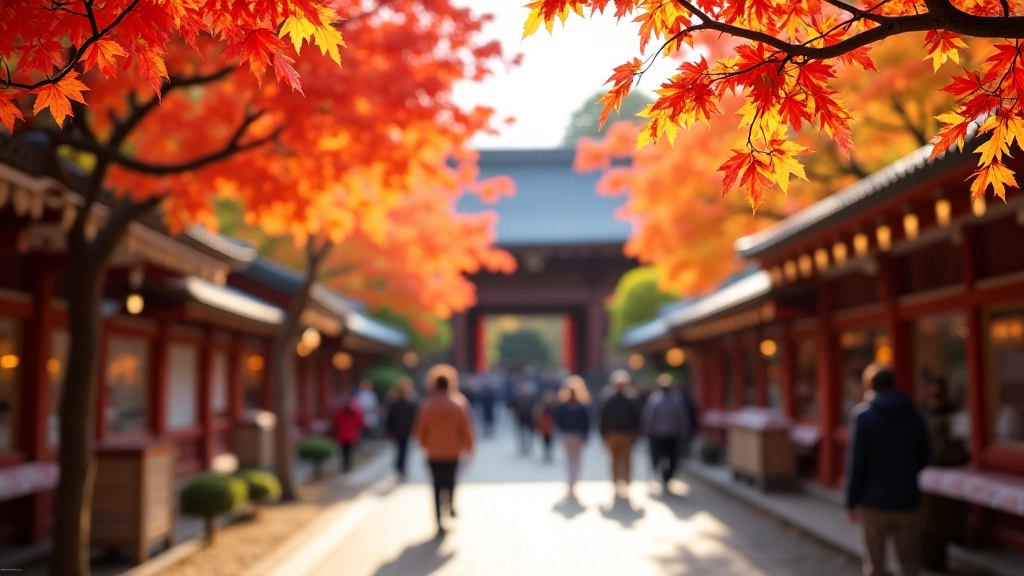
Autumn festivals shift the mood again. Aki matsuri (autumn festivals) have a different character entirely. There’s gratitude, abundance, and a kind of reflective quality. You’re learning words tied to harvest: inaho (rice stalks), kome (rice), tsumi (to pick/harvest). But also deeper cultural concepts.
This is where you encounter kanso—the aesthetic of simplicity and restraint. Where spring celebrates the beauty of things passing away, autumn celebrates quiet elegance. The language reflects this. Phrases become more refined. You’ll notice people use longer, more complex sentences during autumn discussions. The vocabulary grows more literary. Words like yohaku (empty space), wabi (subtle beauty), and shibui (refined taste) come alive in autumn festival contexts.
Autumn also brings moon-viewing festivals—tsukimi. This introduces moon-related vocabulary and poetry references. You might encounter haiku at these festivals. Suddenly you’re not just learning modern conversational Japanese; you’re learning classical references, poetic language, and how ordinary Japanese people still use these older, more elegant expressions when discussing autumn beauty.
Winter: Warmth, Togetherness, and Year-End Language
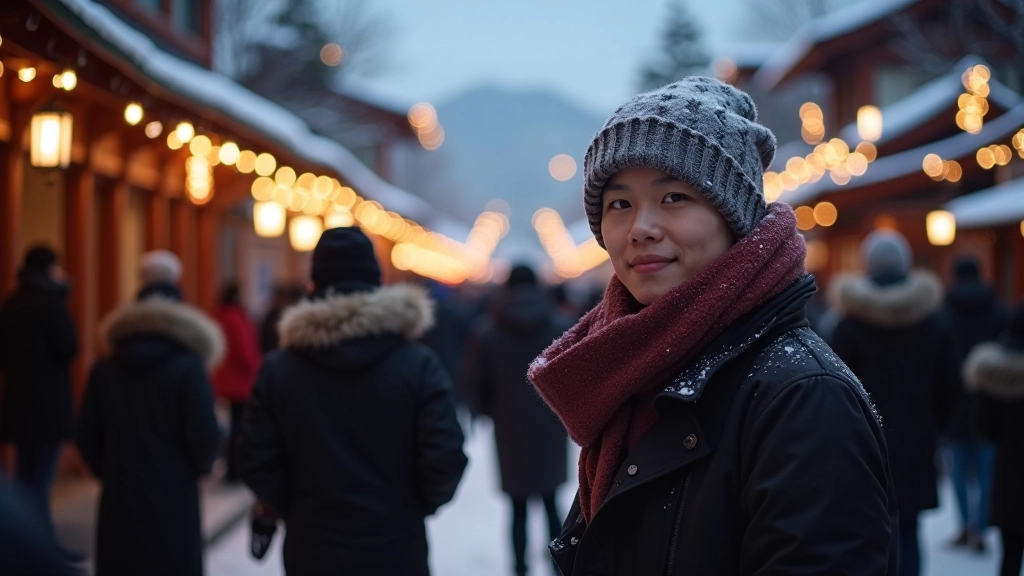
Winter festivals—fuyu matsuri—bring their own emotional and linguistic world. This is when you learn about atsumori (gathering together), nukumori (warmth), and kanai (coziness). The language becomes intimate. Where summer is explosive, winter is gathering-focused.
You’ll encounter end-of-year festivals like Omisoka (New Year’s Eve) celebrations. This introduces gratitude language—kansha, arigatai, gochisousama—that’s tied to year-end reflections. There’s vocabulary around purification and renewal too. Words like kiyomeru (to purify), atarashii (new), and kibou (hope) take on special weight during winter festivals. You’re not just learning vocabulary; you’re learning how Japanese people mark transitions and renewal.
Winter also brings mochi-making festivals and hot sake celebrations. Sticky, sweet mochi vocabulary (mochitsuki, warikomi) and warming drink language (atatakai, nurui, nomu) become festival-specific. These sensory words, tied to winter warmth, create memorable learning anchors that last for years.
How to Use This Approach in Your Learning
Pick a Season to Focus On
Start with whichever season you’re currently in or most drawn to. Gather festival vocabulary specific to that season. Learn the regional festivals happening near you if you’re in Japan, or research famous ones online. Create a vocabulary list organized by themes: decorations, food, activities, emotions.
Find Native Speakers Discussing Festivals
YouTube has hundreds of videos of Japanese people discussing upcoming festivals in their regions. Watch these with subtitles. You’ll hear natural pronunciation, real speech patterns, and authentic enthusiasm. This is immersion without leaving your home. Take notes on phrases you hear repeatedly—those are the ones actually used by real people.
Connect Seasonal Changes to Language
Notice how your own surroundings change seasonally. Notice the light, the temperature, the plants, the pace of life. Then learn Japanese words describing those changes. This creates deep memory connections. You’re not just memorizing words; you’re linking them to real sensory experience, even if you’re not physically in Japan.
Study Festival-Related Poetry and Literature
Japanese literature is saturated with seasonal references. Read short haiku collections organized by season. Look for festival mentions in modern Japanese blogs or social media. This exposes you to how educated native speakers write about festivals and seasons. You’ll absorb linguistic patterns that are more sophisticated than everyday conversation.
Create Your Own Festival Descriptions
Write short paragraphs in Japanese describing festivals you’ve researched or imagined. Use the seasonal vocabulary you’ve learned. Share these in language exchange communities or with tutors. This forces you to produce language, not just consume it. You’ll make mistakes, get corrections, and cement the learning in ways passive study never does.
Attend or Virtually Experience Real Festivals
If you’re in Japan, attend festivals. If you’re not, many temples and cultural centers in North America host Japanese festivals. You’ll get real cultural experience and real opportunity to use festival vocabulary with other learners and native speakers. Virtual tours of famous festivals are also available online, allowing you to practice narration in Japanese as you “experience” them.
“Language isn’t just vocabulary and grammar rules. It’s a reflection of how people see the world. When you learn festival language across all four seasons, you’re learning how Japanese people relate to time, nature, and each other. That’s deeper than any textbook can teach.”
— Language immersion educator
Making Festivals Your Teacher
Festival-based language learning isn’t just effective—it’s genuinely enjoyable. You’re not grinding through grammar exercises. You’re exploring how an entire culture thinks about time, nature, and togetherness. You’re learning vocabulary that native speakers actually use with passion and emotion. And you’re doing it through one of humanity’s oldest and most joyful activities: celebration.
Start small. Pick one season. Find one festival. Learn the vocabulary connected to it. Then expand. As you move through the year, you’ll notice something remarkable: you’re not just learning Japanese. You’re learning to think seasonally, to notice cultural nuance, and to understand that language is never separate from culture. It’s woven through it completely.
The best part? Once you start thinking about festivals this way, you’ll never hear Japanese the same way again. Every conversation will have seasonal overtones. Every word will connect to cultural context. That’s when you know you’re not just learning a language—you’re actually becoming fluent in a culture.
Educational Note
This article provides educational information about learning Japanese through cultural contexts. Language learning approaches vary by individual, and results depend on consistent practice, engagement with native speakers, and personal learning style. Festival-based learning works well for many learners, but it’s most effective when combined with formal study of grammar, writing systems, and conversational practice. For serious language development, consider working with qualified language instructors alongside cultural immersion methods.