
Why Japanese Has Three Writing Systems
Understanding hiragana, katakana, and kanji makes way more sense when you know the history. This explains why they exist and when to use each one.
Read MoreDiscover how learning Japanese goes deeper when you understand the culture behind it. Our programs in Canada blend language fundamentals with authentic cultural exploration.

Explore articles that connect language skills with cultural understanding. Each guide helps you see why Japanese works the way it does.
Understanding hiragana, katakana, and kanji makes way more sense when you know the history. This explains why they exist and when to use each one.
Read More
Japanese language changes depending on who you’re talking to. Learn how cultural values shape the grammar itself — something no other language does quite like this.
Read More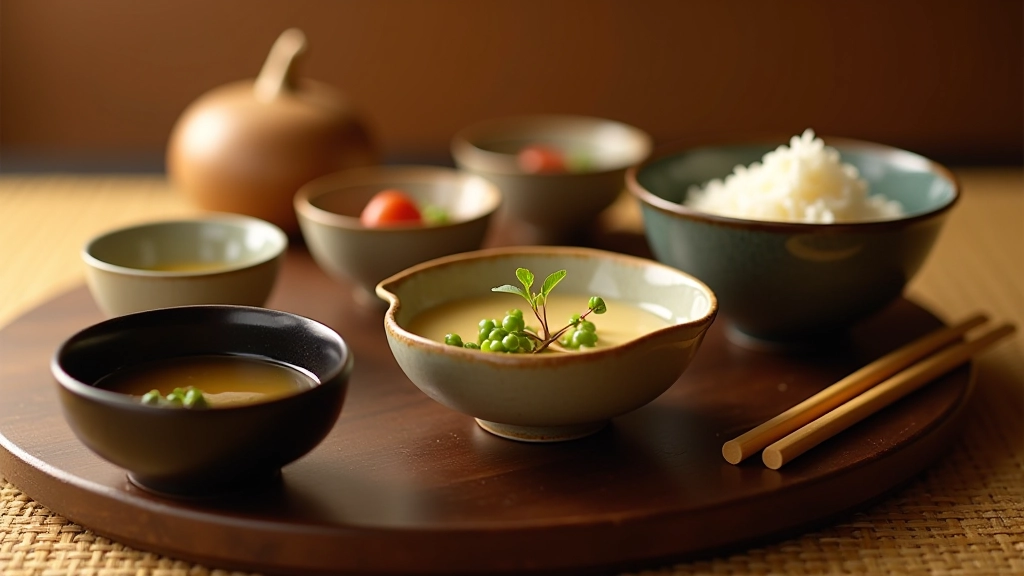
Why does Japanese have so many different words for eating and drinking? Discover how the language reflects deep cultural attitudes toward food, seasons, and gratitude.
Read More
Each season in Japan brings festivals with their own vocabulary and customs. Immersing yourself in seasonal language helps you understand how deeply culture shapes daily expression.
Read MoreWe’re not just teaching vocabulary and grammar — we’re helping you understand why Japanese works the way it does.
Learn Japanese through real stories about daily life, historical events, and cultural moments. It’s way easier to remember words when they’re tied to actual context.
Practice with people who get it — other learners in Canada who’re equally interested in understanding Japanese culture. Small group sessions make conversations actually happen.
We use real Japanese media, news, podcasts, and cultural content. You’re learning the language people actually speak, not textbook phrases.
Every lesson connects language to culture. You’ll understand not just how to say something, but when and why you’d say it in Japan.
Different paths depending on where you’re starting from and what you want to achieve.
Start with hiragana and katakana alongside basic cultural concepts. You’ll learn why Japanese grammar works differently and how to introduce yourself in culturally appropriate ways.
Dive deeper into conversation, reading, and cultural studies. You’re connecting language to real situations — from shopping at markets to understanding media.
Achieve fluency with nuance and cultural competence. You’re reading novels, watching films, and participating in discussions about complex cultural topics.